

Magical Moving Ink Landscapes

Create atmospheric, painterly landscapes without advanced drawing or painting skills using Sheena’s “Draw the Line” technique. This simple method combines mixed media cardstock with Cosmic Shimmer water-based inks, with the flowing inks doing most of the work for you.
What makes this technique so appealing is how accessible it is. There’s no need to sketch complex scenes or master tricky brushwork – the card and inks work together to create soft blends, misty forests and atmospheric skies with very little effort.
Create atmospheric, painterly landscapes without advanced drawing or painting skills using Sheena’s “Draw the Line” technique. This simple method combines mixed media cardstock with Cosmic Shimmer water-based inks, with the flowing inks doing most of the work for you.
What makes this technique so appealing is how accessible it is. There’s no need to sketch complex scenes or master tricky brushwork – the card and inks work together to create soft blends, misty forests and atmospheric skies with very little effort.
Watch the full length tutorial
Paint Your Own Moving Ink Landscapes
Watch Next
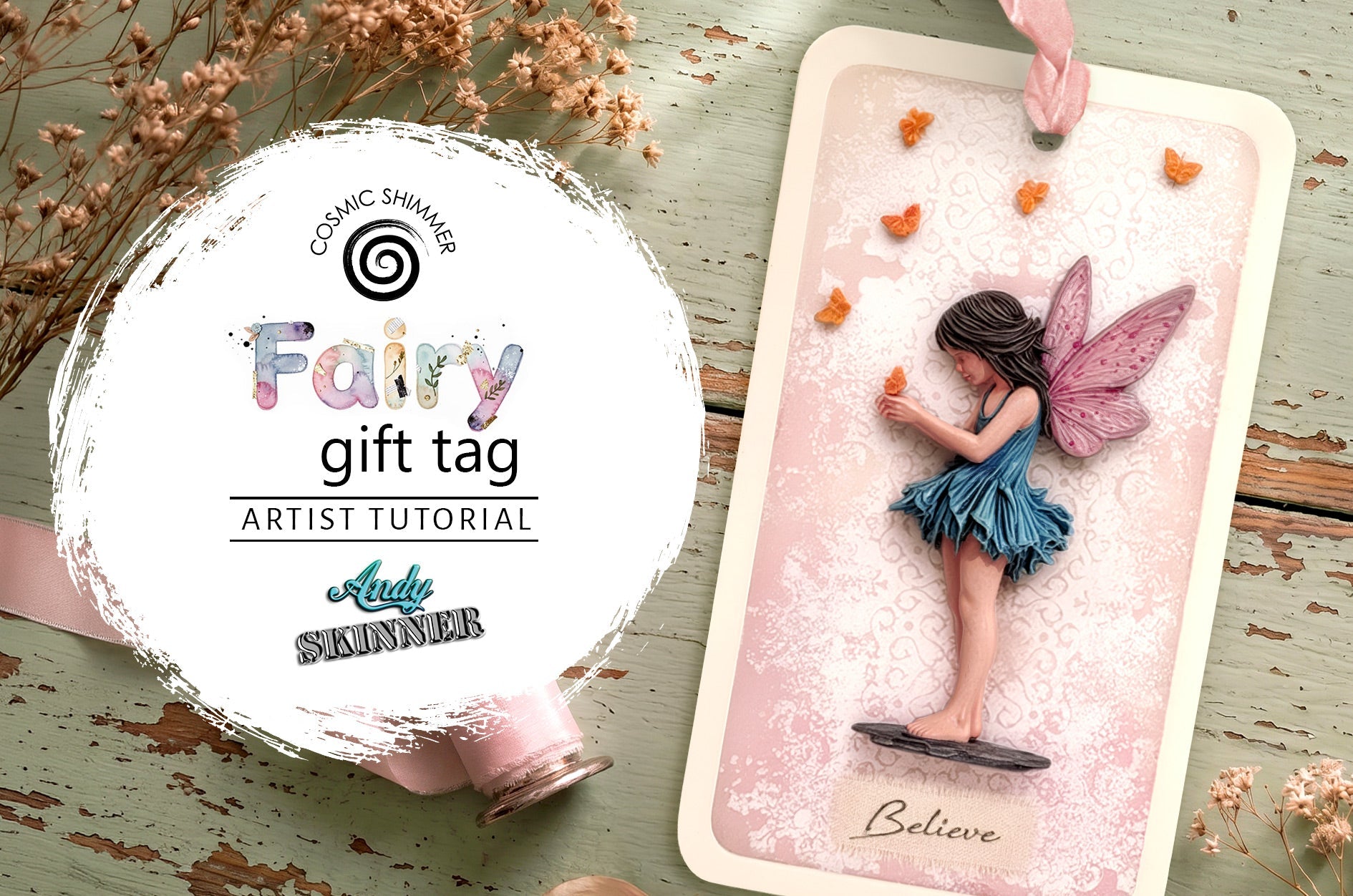
Mixed Media Fairy Gift Tag Project with Andy Skinner
Bring moulded embellishments to life with layers of colour, texture and subtle shimmer. In this tutorial, Andy Skinner demonstrates how a simple air-dry clay cast can be transformed into a beautifully detailed focal point for a gift tag using Cosmic Shimmer Matt Chalk Paints. Featuring the Cosmic Shimmer Little Things Silicone Mould, this project is packed with fine textures and raised details that make it ideal for showcasing layered paint effects.
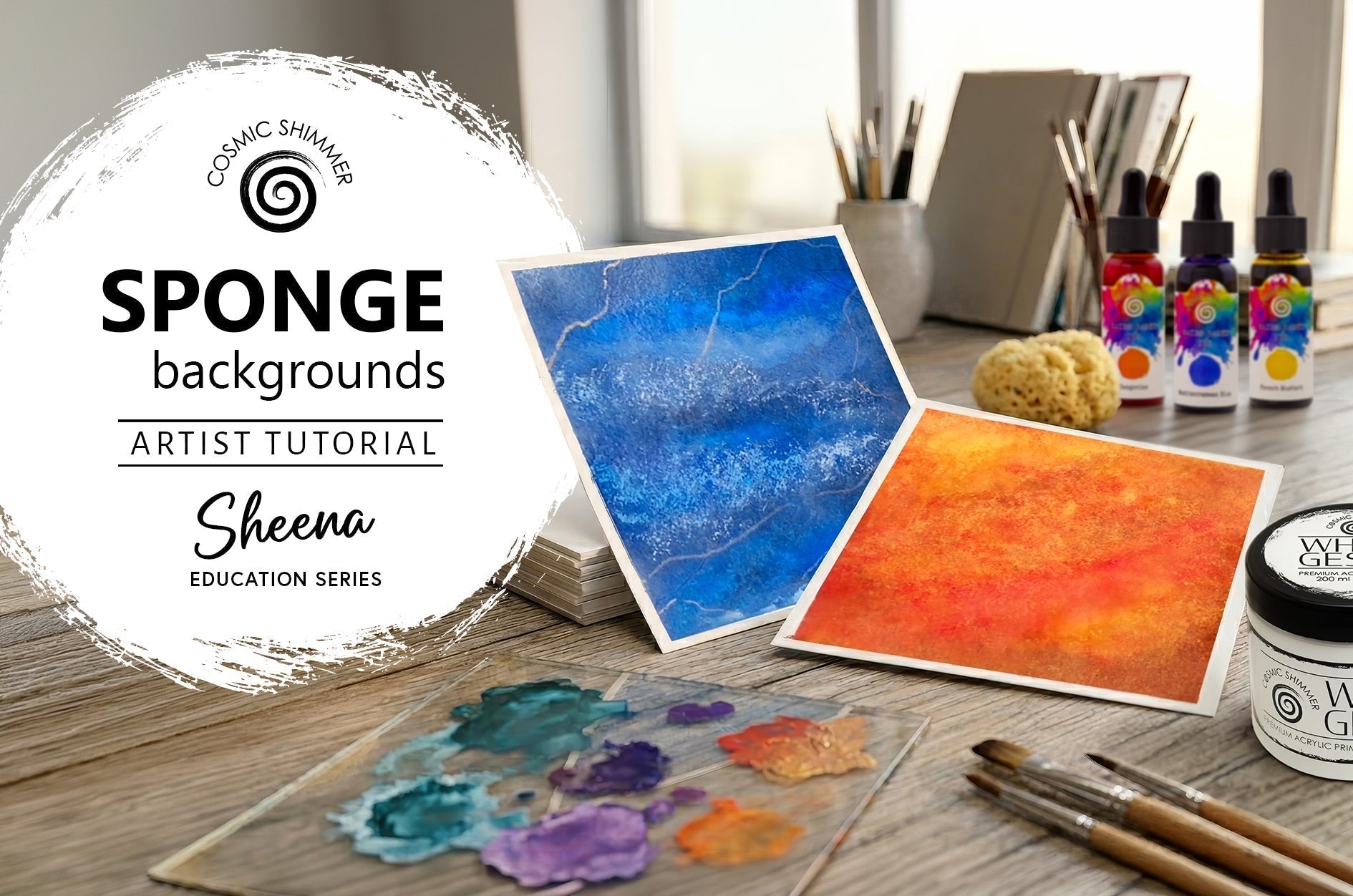
Sponge Painted Backgrounds Tutorial with Sheena
Backgrounds are the foundation of countless cardmaking and mixed media projects, and few techniques are as versatile, beginner friendly and effective as sponge inking. Using simple everyday materials and a handful of Cosmic Shimmer products, it is possible to create richly layered backgrounds with depth, texture and metallic highlights

Transform an Empty SPAM Tin into a Dragon Desk Caddy
Give an everyday household item a spectacular fantasy makeover by transforming a simple empty Spam tin into a detailed dragon desk tidy. Using air-drying clay and a selection of Cosmic Shimmer silicone moulds, the plain metal container becomes a dramatic ruined castle guarded by a magnificent dragon.
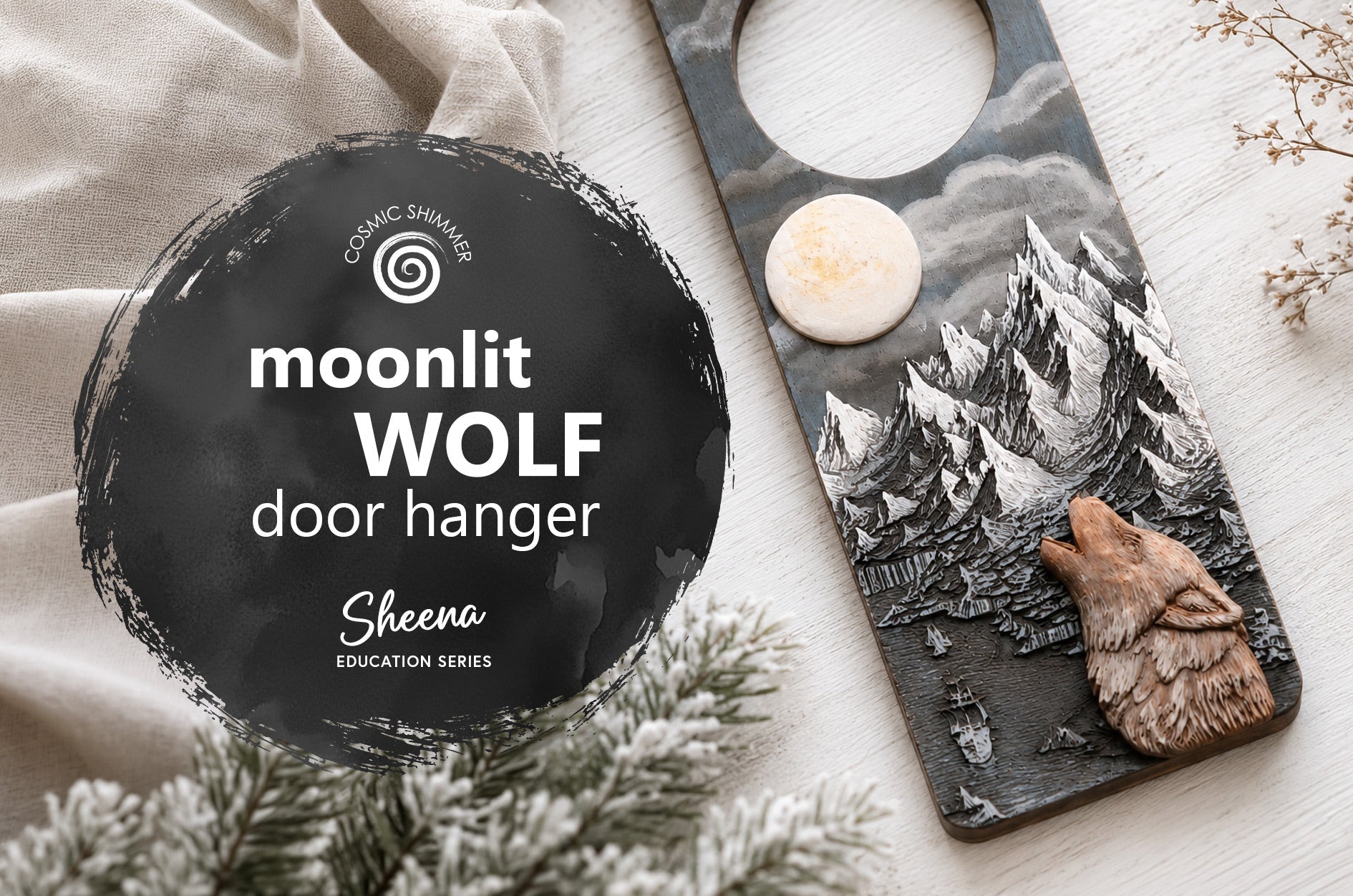
Make a Moonlit Wolf Door Hanger with Cosmic Shimmer Silicone Moulds
Create an atmospheric door hanger featuring a howling wolf beneath a glowing moon and dramatic snow-capped mountains. The Cosmic Shimmer Wolf Moon Silicone Mould and Cosmic Shimmer Mystical Mountain Scene Silicone Mould combine beautifully to create the dimensional landscape, while simple washes, dry brushing and painted clouds complete the moonlit scene.
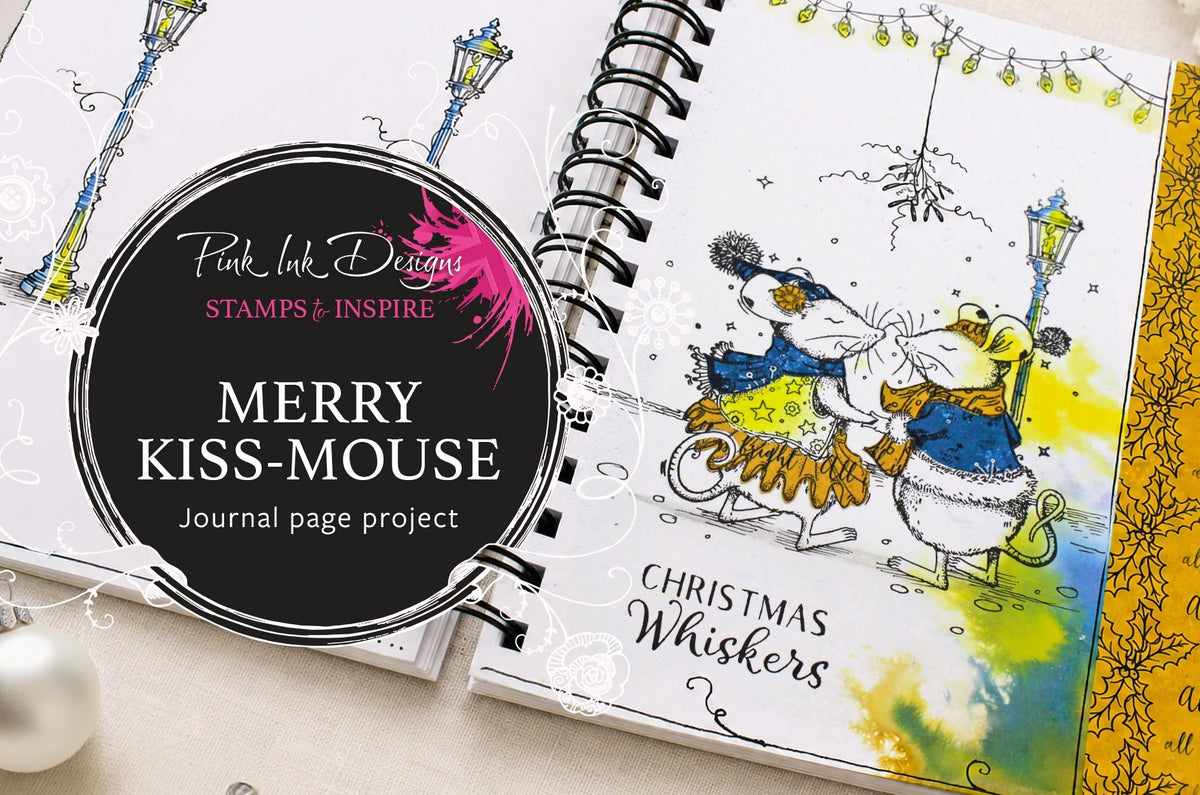
Stamp a Christmas Art Journal Page with Pink Ink's Merry Kiss-Mouse
Create a quirky Christmas art journal page with the Pink Ink Designs Merry Kiss-Mouse DL Stamp Set, combining detailed stamping with colourful paper piecing using the Pink Ink Designs Quirky Christmas Designer Papers. In this step-by-step project, Cathie Shuttleworth from Pink Ink Designs shows you how to bring these loved-up Christmas mice to life, using patterned paper to add pops of yellow and blue while allowing the characterful linework of the stamps to take centre stage.
Subscribe to our Newsletter
The latest product launches & offers delivered to your inbox
Click here to subscribe